
 Community Support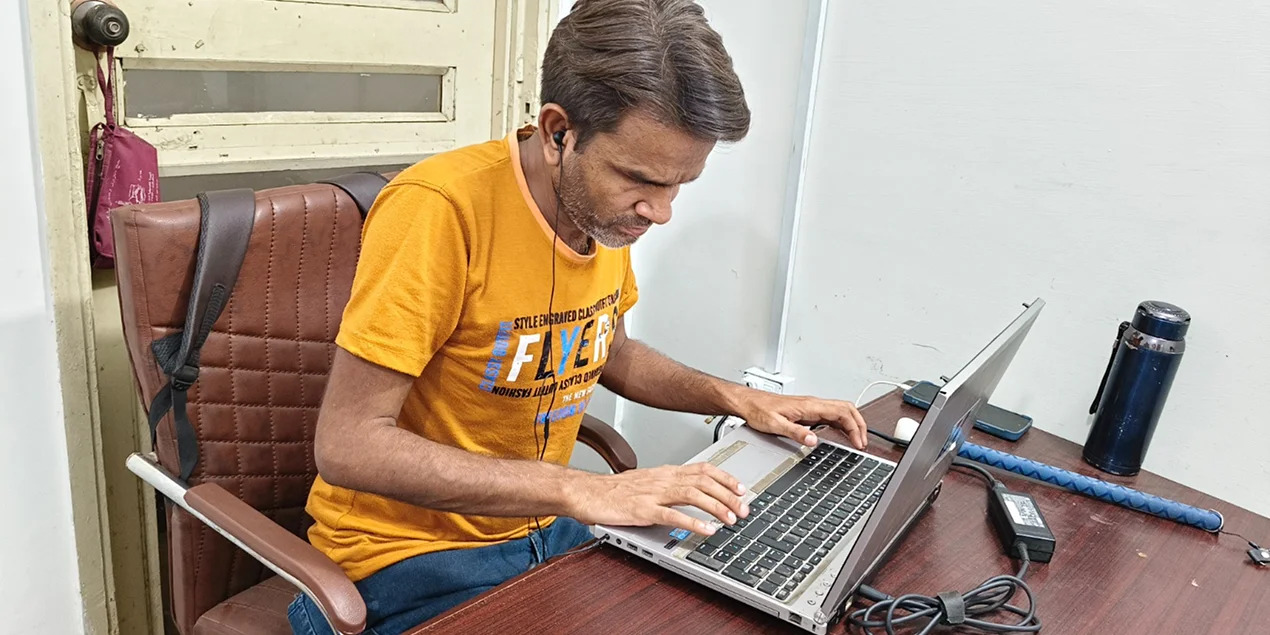
Education serves as the foundation of growth, independence, and opportunity. For individuals who are blind or visually impaired, access to quality education is more than a right; it is a pathway to empowerment. By adopting adaptive learning strategies, promoting Braille literacy, utilizing digital technologies, and training teachers with specialized skills, society can ensure that students with vision loss succeed both academically and socially.
Adaptive Learning Approaches
Adaptive learning acknowledges that traditional classroom methods often fall short for blind learners. Instead of focusing only on visual instruction, these approaches rely on tactile, auditory, and experiential techniques.
Tactile maps can bring geography lessons to life, while 3D models make complex science concepts easier to grasp. Audio descriptions and verbal presentations can complement or replace visual materials, fostering inclusivity.
Individualized education plans tailored to each student’s needs also allow them to progress at their own pace. This flexibility builds confidence and ensures students master essential subjects without being disadvantaged in a visually driven world.
Braille Literacy
Braille remains one of the most essential tools for literacy in the blind community. While new technologies offer alternative learning options, Braille is still critical in developing reading, writing, and comprehension skills. It enables learners to engage with written language independently, strengthening their academic and personal growth.
Schools must prioritize Braille instruction from early education and provide quality Braille books, printers, and writing resources. Public initiatives can also promote Braille in everyday settings, raising awareness and increasing its presence in society.
Digital Tools in Education
The rise of digital learning has opened new doors for blind and visually impaired students. Tools like screen readers, speech-to-text software, and refreshable Braille devices provide easy access to textbooks, research, and communication platforms.
Accessible educational apps now deliver interactive lessons in diverse subjects from mathematics to foreign languages. Online learning systems that follow accessibility standards ensure blind students can participate equally alongside their peers in virtual classrooms. The priority should always be universal design, so digital resources are usable by all learners, regardless of ability.
Teacher Preparation and Awareness
Teachers play a vital role in connecting resources with student success. Without adequate preparation, even advanced tools may remain underused. Specialized training programs equip educators to adapt lessons, integrate assistive technology, and cultivate an inclusive classroom culture.
Training should also address misconceptions about blindness, encouraging teachers to set high expectations and foster positive attitudes. When educators believe in the abilities of their students, it motivates those learners to pursue greater achievements.
Conclusion
The strength of education for the blind lies in its power to unlock talent, promote independence, and eliminate barriers. Through adaptive learning, Braille literacy, digital innovation, and trained educators, we can create a system where students with vision loss are not just included but given the resources to excel.
Education extends beyond the classroom; it is the key to a future filled with dignity, confidence, and limitless opportunity.